دسته: وبلاگ

  • تمرین شنیداری (listening) زبان سطح متوسط ۲ فایل ۲

    تمرین شنیداری (listening) زبان سطح متوسط ۲ فایل ۲

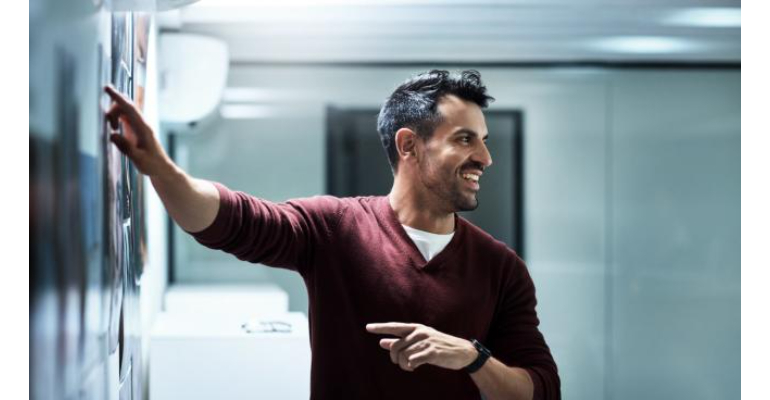
    A design presentation


    قبل از گوش کردن به فایل صوتی، تمرین زیر را انجام دهید و لغات آن را یاد بگیرید:

    [su_box style=”glass-light” title=”تمرین های آمادگی”]

    [/su_box]

    حالا به فایل صوتی زیر گوش دهید و تمرینات زیر را انجام دهید:

    [sc_embed_player_template1 fileurl=”/Englishaudios/Listening/B2/A_design_presentation.mp3″]

    [su_box style=”glass-green” title=”تمرین شماره ۱”]

    [/su_box]

    [su_box style=”glass-green” title=”تمرین های شماره ۲”]

    [/su_box]

    [su_box style=”glass-gold” title=”متن فایل صوتی”]

    Transcript

    Hi, everyone. Thanks for coming to this short presentation on our new product design. As you know, we’ve already redeveloped our ‘Adventure’ shampoo to make it more modern and appealing. And we’ve renamed it ‘Adventure Tech’. Our market research established the target market as men in the 18–40 age range who like to be outdoors and also like technical gadgets, such as smartwatches, drones and things like that. We needed to create a bottle which appeals to that market.

    So, today, I’m happy to unveil our new bottle design. As you can see, it’s designed to look like a black metal drinking flask, with some digital features printed on it.

    I’d like to talk you through the following three points: the key features, sizing and our timeline for production.

    Firstly, you’ll notice it has an ergonomic design. That means it fits smoothly into your hand and can be easily opened and squeezed using one hand. And, it looks like a flask you might use when hiking outdoors. The imitation digital displays are designed to remind the user of other tech devices they may have, such as a smartwatch or smart displays in their home.

    I’d now like to tell you about the sizes. It comes in two sizes: the regular size and a small travel size. The travel size is the same type of design – a flask, also with imitation digital displays on the bottle. We were thinking of starting with one and following with the travel-size in a few months, but we’ve worked hard and both are ready now.

    Finally, I’m going to talk to you about our timeline for production. You’ve probably heard that we’re launching in two months. In preparation for that, we’re starting the marketing campaign next month. You can see the complete overview of all phases in this Gantt chart.

    In summary, the bottle’s been designed for men who like adventure and technology, and it comes in two sizes. The marketing campaign is starting next month and we’re launching the product in two months.

    OK. So, any questions? Feel free to also email me for further information in case we run out of time.

    [/su_box]

    [su_note style=”3″ type=”danger” icon=”yes”]حالا شما برایمان به انگلیسی بگویید:

    When was the last time you had to give a presentation? What was it about? How did it go?

    [/su_note]

  • اصطلاحات پرکاربرد برای بیان یقین و عدم اطمینان در انگلیسی

    اصطلاحات پرکاربرد برای بیان یقین و عدم اطمینان در انگلیسی

    اگر درمورد چیزی مطمئن هستید یا مطمئن نیستید ، می توانید از عبارات و اصطلاحات زیر برای بیان قطعیت / عدم اطمینان خود استفاده کنید.

    [su_box style=”modern-violet” title=”اصطلاحات پرکاربرد برای درخواست یقین”]

    تلفظ جمله معنی

    [sc_embed_player fileurl=”/Englishaudios/E-11-01.mp3″ “]

    Are you sure? مطمئنی؟

    [sc_embed_player fileurl=”/Englishaudios/E-11-02.mp3″ “]

    Are you sure about it? در این باره مطمئنی؟
    [sc_embed_player fileurl=”/Englishaudios/E-11-03.mp3″ “] Are you certain about it?  آیا در این باره  مطمئن هستید؟
    [sc_embed_player fileurl=”/Englishaudios/E-11-04.mp3″ “] Do you think it is true?  به نظر شما درست است؟
    [sc_embed_player fileurl=”/Englishaudios/E-11-05.mp3″ “] Do you think so? تو هم اینجور فکر میکنی؟
    [sc_embed_player fileurl=”/Englishaudios/E-11-06.mp3″ “] How sure are you? چقدر مطمئن هستید؟

    [/su_box]

    [su_box style=”modern-orange” title=”اصطلاحات پرکاربرد برای ابراز یقین:”]

    تلفظ جمله معنی

    [sc_embed_player fileurl=”/Englishaudios/E-11-07.mp3″ “]

    Yes, I am certain. بله ، من یقین دارم

    [sc_embed_player fileurl=”/Englishaudios/E-11-08.mp3″ “]

    I’m a hundred percent certain … من صد درصد مطمئن هستم …

    دقت کنید بعداز like – love – enjoy اگر خواستید فعل استفاده کنید، حتما به آخر فعل ing اضافه کنید.

    [sc_embed_player fileurl=”/Englishaudios/E-11-09.mp3″ “]

    I’m absolutely sure.

    من کاملاً مطمئن هستم
    [sc_embed_player fileurl=”/Englishaudios/E-11-10.mp3″ “] I have no doubt about it.  من در این مورد هیچ شکی ندارم.
    [sc_embed_player fileurl=”/Englishaudios/E-11-11.mp3″ “] I’m sure about it.  من در مورد آن مطمئن هستم
    [sc_embed_player fileurl=”/Englishaudios/E-11-12.mp3″ “] I don’t think there can be any doubt about ….  من فکر نمی کنم در مورد … شکی وجود داشته باشد
    [sc_embed_player fileurl=”/Englishaudios/E-11-13.mp3″ “]

    Of course.

     البته
    [sc_embed_player fileurl=”/Englishaudios/E-11-14.mp3″ “] I’m positive.  من موافق هستم (مثبت = positive)
    [sc_embed_player fileurl=”/Englishaudios/E-11-15.mp3″ “]

    I’m quite sure about it.

    من کاملاً مطمئن هستم
    [sc_embed_player fileurl=”/Englishaudios/E-11-16.mp3″ “]

    I’m no doubt about it.

    من در این مورد شک ندارم.
    [sc_embed_player fileurl=”/Englishaudios/E-11-18.mp3″ “] I’m absolutely certain that…  من کاملا مطمئن هستم که …

    [/su_box]

    [su_box style=”modern-light” title=”اصطلاحات پرکاربرد برای ابراز عدم قطعیت:”]

    تلفظ جمله معنی

    [sc_embed_player fileurl=”/Englishaudios/E-11-19.mp3″ “]

    I’m not sure about it. من در مورد آن مطمئن نیستم

    [sc_embed_player fileurl=”/Englishaudios/E-11-20.mp3″ “]

    I doubt it.  من شک دارم
    [sc_embed_player fileurl=”/Englishaudios/E-11-21.mp3″ “]

    I’m not really sure about…

    من واقعاً در مورد … مطمئن نیستم
    [sc_embed_player fileurl=”/Englishaudios/E-11-22.mp3″ “] I don’t know for sure… من با اطمینان نمی دانم …
    [sc_embed_player fileurl=”/Englishaudios/E-11-23.mp3″ “] It’s very unlikely. خیلی بعید است.
    [sc_embed_player fileurl=”/Englishaudios/E-11-24.mp3″ “]

    I have my own doubts.

    من شک و تردیدهای خودم را دارم.
    [sc_embed_player fileurl=”/Englishaudios/E-11-25.mp3″ “]

    I don’t think so.

    اینطور فکر نمی کنم
    [sc_embed_player fileurl=”/Englishaudios/E-11-26.mp3″ “]

    I don’t believe this is true.

     من معتقدم که این درست نیست
    [sc_embed_player fileurl=”/Englishaudios/E-11-27.mp3″ “]

    There’s some doubt in my mind that …

     در ذهن من شک وجود دارد که …
    [sc_embed_player fileurl=”/Englishaudios/E-11-28.mp3″ “]

    I’m not a hundred percent sure.

     من صددرصد مطمئن نیستم.
    [sc_embed_player fileurl=”/Englishaudios/E-11-29.mp3″ “]

    I don’t know yet.

     من هنوز نمی دانم.

    [/su_box]

    [su_box style=“default” icon=”plus-circle” title=”با صدای خودتان تمرین کنید:”]بهترین راه برای تمرین زبان این است که صدای خودتان را ضبط کنید و گوش کنید. دقت کنید که صدای شما جایی ذخیره نمیشود. اگر مایل به نگه داری صدای ضبط شده هستید آن را دانلود کنید.
    [h5p id=”271″]
    اگر مرورگر صدای شما را ضبط نمیکند حتما این راهنما را بخوانید: [button url=”/راهنمای-فعال-کردن-میکروفن” target=”blank” background=”#2bb9ff” color=”#ffffff” size=”5″ center=”yes” icon=”icon: microphone-slash”]راهنما[/button] [/su_box]

  • تمرین شنیداری (listening) زبان سطح متوسط ۲ فایل ۳

    تمرین شنیداری (listening) زبان سطح متوسط ۲ فایل ۳

    A digital detox podcast


    به فایل صوتی زیر گوش دهید و تمرینات زیر را انجام دهید:

    [sc_embed_player_template1 fileurl=”/Englishaudios/Listening/B2/A_digital_detox_podcast.mp3″ ]

    [su_box style=”glass-green” title=”تمرین شماره ۱”]

    [/su_box]

    [su_box style=”glass-green” title=”تمرین های شماره ۲”]

    [/su_box]

    [su_box style=”glass-gold” title=”متن فایل صوتی”]

    Transcript

    Presenter: So, we’re back in the studio. Welcome back, everyone. My name’s Rick Walker. From our laptops to our televisions, from the displays on our smartphones to those on our satnavs, we are in front of screens all the time. Have you ever wondered what it would be like to disconnect completely? To choose not to have access to the internet? If you have, you may be in need of a digital detox – a total switch- off from all things digital. The idea of people taking a digital detox is becoming more and more popular, especially amongst young people

    – and today we’re joined by someone who’s tried a number of digital detox activities and is here to give us some advice about it. Amanda Vince, welcome to the studio.

    Amanda: Thank you very much.

    Presenter: So, Amanda, you work for a fashion magazine in London, right? I guess your work means you need to be online a lot.

    Amanda: Oh, yes. Apart from the hundreds of emails I get every day, I’m always browsing fashion websites, as well as online videos. I also need to be very active online, especially on Twitter and Instagram – sharing what we’re doing in the magazine, interacting with designers, photographers, influencers … it never stops, literally. Then of course there’s my friends and family to keep in touch with online too, and for me, my work grew out of my passion, so friends and work colleagues aren’t two totally separate groups of people and it all gets a bit messy online sometimes. I think I’m online for at least 12 hours a day.

    Presenter: So, how did you get the idea for a digital detox?

    Amanda: I read a book about it, called Log Off: How to Stay Connected after Disconnecting. The author’s name is Blake Snow. That book gave me some really good advice and made me think about trying to change some of my digital habits. I started with removing distraction.

    Presenter: What do you mean by that?

    Amanda: That means turning off alerts, buzzes, alarms or notifications of any kind. I had notifications set up for everything, and it meant I was always being forced to look at my phone. Removing all of them except for important contacts helped me focus immediately. The book also made a really good point, that we should ask ourselves ‘Why?’ every time we take out our phone. I realised that most of the times I looked at my phone were because I was trying to avoid or ignore something else happening right in front of me. It was an automatic habit.

    Presenter: I have to confess, that happens to me too. But what else are you going to do when you’re standing in line at the bank or waiting for your train?

    Amanda: OK, yes, I’m the first to admit that it’s great for helping time go by. But speaking personally, I found I wasn’t just checking my phone to kill time when I was alone. I was also doing it with friends or family around.

    Presenter: Hmmm … right. Well, so far, this doesn’t sound too drastic. Turning off notifications and becoming aware of when we use our devices. That sounds easy.

    Amanda: Yes, it’s the first step. Once we begin to realise just how much of a grip our devices have on us, then we’re ready to really take the next step. First, my partner and I did a

    weekend with absolutely no screens. She found it easier than I did. For me, it was a little bit scary at first but it turned out to be a pretty rewarding experience.

    Presenter: A whole weekend, huh? I don’t know if I could …

    Amanda: I think everyone has to do this at their own pace. If a weekend feels too much, maybe just try for an evening. Then work your way up to more. I guarantee, once you’ve tried it, you’ll want to try it again. We’re going to try for a whole week in the summer.

    Presenter: OK, let’s pause there then and see what our listeners have to say. You can call us here directly, or send us a message on any of our social media channels … oops, should I be saying that? Anyway, more after the break.

    [/su_box]

    [su_note style=”3″ type=”danger” icon=”yes”]حالا شما برایمان به انگلیسی بگویید:

    Would you like to do a digital detox?

    [/su_note]

  • تمرین شنیداری (listening) زبان سطح متوسط ۲ فایل ۴

    تمرین شنیداری (listening) زبان سطح متوسط ۲ فایل ۴

    A lecture about an experiment


    قبل از گوش کردن به فایل صوتی، تمرین زیر را انجام دهید و لغات آن را یاد بگیرید:

    [su_box style=”glass-light” title=”تمرین های آمادگی”]

    [/su_box]

    حالا به فایل صوتی زیر گوش دهید و تمرینات زیر را انجام دهید:

    [sc_embed_player_template1 fileurl=”/Englishaudios/Listening/B2/A_lecture_about_an_experiment.mp3″ ]

    [su_box style=”glass-green” title=”تمرین شماره ۱”]

    [/su_box]

    [su_box style=”glass-green” title=”تمرین های شماره ۲”]

    [/su_box]

    [su_box style=”glass-gold” title=”متن فایل صوتی”]

    Transcript

    In today’s lecture we’re going to be talking about experiments, and I thought it might be interesting for you all to learn about the world’s oldest continuously running laboratory experiment that is still going today. In fact, it holds the Guinness World Record for being the longest-running experiment. This experiment began in 1927 and has been going ever since.

    It’s called the ‘pitch drop’ experiment and it was created by Professor Thomas Parnell at the University of Queensland, Australia. Parnell was the university’s first physics professor, and he wanted to show in this experiment that everyday materials, such as pitch, can have quite surprising properties.

    You see, when pitch is at room temperature, it feels solid. You can easily break it with a hammer. However, it isn’t in fact solid. At room temperature, pitch is many billions of times more viscous than water, but it’s actually fluid.

    In 1927, Professor Parnell took a sample of pitch. He heated it and poured it into a glass funnel. He allowed the pitch to cool and settle – for three years. He then turned the funnel upside down and cut the top off it.

    Since then, the pitch has slowly dropped out of the funnel. How slowly? Well, the first drop took eight years to fall. It took another forty years for another five drops to fall. Today it’s been almost 90 years since the experiment started. Only nine drops have fallen from the funnel. The last drop fell in April 2014 and the next one is expected to fall in the 2020s.

    The experiment has a tragic story associated with it. Professor Parnell died without seeing a pitch drop. His replacement, Professor John Mainstone, became responsible for the pitch drop experiment from 1961. He held the job for 52 years, and missed seeing the drop fall three times – by a day in 1977, by just five minutes in 1988 and finally in 2000, when the webcam that was recording the experiment suffered a power outage for 20 minutes, during which time the pitch dropped.

    The pitch drop experiment is something we can all participate in now. There’s a live web stream that allows anyone to watch the glass funnel and wait for the fateful moment. A similar experiment to the Queensland pitch drop was set up in Dublin, and the video of the moment the pitch actually dropped went viral on the internet. It’s interesting to see how a very slow event can spread news so quickly.

    [/su_note]

    [note style=”3″ type=”danger” icon=”yes”]حالا شما برایمان به انگلیسی بگویید:

    Do you know of any other famous experiments? What are they?

    [/su_note]

  • اصطلاحات پرکاربرد برای دعوت کردن به زبان انگلیسی

    اصطلاحات پرکاربرد برای دعوت کردن به زبان انگلیسی

    در اینجا عبارات متداولی وجود دارد که می توانید هنگام دعوت کسی یا پاسخ به دعوت ها به زبان انگلیسی از آنها استفاده کنید.

    [su_box style=”modern-violet” title=”اصطلاحات پرکاربرد برای دعوت کردن”]

    تلفظ جمله معنی

    [sc_embed_player fileurl=”/Englishaudios/E-12-01.mp3″ “]

    Do you feel like going for a walk? آیا حس رفتن به پیاده روی دارد؟

    Feel like یعنی حس انجام کاری رو داشتن. حال و حوصله کاری رو داشتن.

    I don’t feel like eating pizza now

    الان حس پیتزا خوردن و ندارم اصلا.

    [sc_embed_player fileurl=”/Englishaudios/E-12-02.mp3″ “]

    Do you want to go to the movies tonight?  آیا می خواهید امشب به سینما بروید؟
    [sc_embed_player fileurl=”/Englishaudios/E-12-03.mp3″ “] Would you like to play cards?  آیا می خواهید کارت بازی کنید؟

    Would like معنی خواستن میده. دوست داشتن معنی نکنید. هر چند خیلی جاها تفاوتی باهم ندارند.

    [sc_embed_player fileurl=”/Englishaudios/E-12-04.mp3″ “] Would you like a cup of coffee?  آیا یک فنجان قهوه میل دارید (میخواهید)؟
    [sc_embed_player fileurl=”/Englishaudios/E-12-05.mp3″ “] What about a cup of tea?  در مورد یک فنجان چای چطور؟
    [sc_embed_player fileurl=”/Englishaudios/E-12-06.mp3″ “] I would like you to have lunch with us tomorrow.  دوست دارم (میخواهم / مایلم) فردا با ما ناهار بخورید.
    [sc_embed_player fileurl=”/Englishaudios/E-12-07.mp3″ “]

    Would you be interested in going to the movies tonight?

    آیا دوست دارید (علاقه دارید) امشب به سینما برید ؟
    [sc_embed_player fileurl=”/Englishaudios/E-12-08.mp3″ “]

    Why don’t you have lunch with me tomorrow?

       چرا فردا با من ناهار نمیخوری؟
    [sc_embed_player fileurl=”/Englishaudios/E-12-09.mp3″ “]

    How about joining me for a walk?

       چطوره برای پیاده روی به من بپیوندید؟
    [sc_embed_player fileurl=”/Englishaudios/E-12-10.mp3″ “]

    I invite you to have breakfast with me tomorrow morning.

       من از شما دعوت می کنم فردا صبح با من صبحانه بخورید.

    [/su_box]

    [su_box style=”modern-orange” title=”اصطلاحات پرکاربرد برای پذیرش دعوت کسی”]

    تلفظ جمله معنی

    [sc_embed_player fileurl=”/Englishaudios/E-12-11.mp3″ “]

    Thank you for your kind invitation.  ممنون از دعوت شما

    [sc_embed_player fileurl=”/Englishaudios/E-12-12.mp3″ “]

    I’d love to, thanks.  دوست دارم،ممنون
    [sc_embed_player fileurl=”/Englishaudios/E-12-13.mp3″ “]

    I’ll be glad to do so.

     خوشحال میشم که این کار را انجام بدم.
    [sc_embed_player fileurl=”/Englishaudios/E-12-14.mp3″ “] Thanks, I’d like that very much.  متشکرم ، خیلی دوست دارم.
    [sc_embed_player fileurl=”/Englishaudios/E-12-15.mp3″ “] That’s a great idea.  ایده خیلی خوبی است.
    [sc_embed_player fileurl=”/Englishaudios/E-12-16.mp3″ “] Thanks for inviting me to dinner.  با تشکر از شما برای دعوت من به شام.
    [sc_embed_player fileurl=”/Englishaudios/E-12-17.mp3″ “]

    It’s very nice of you.

     نظر لطف شماست.
    [sc_embed_player fileurl=”/Englishaudios/E-12-18.mp3″ “] Many thanks for your kind invitation. I’ll join you. با تشکر فراوان از دعوت شما. من به شما ملحق خواهم شد.
    [sc_embed_player fileurl=”/Englishaudios/E-12-19.mp3″ “]

    Sure. Thank you.

    حتما. متشکرم.
    [sc_embed_player fileurl=”/Englishaudios/E-12-20.mp3″ “]

    With pleasure!

     با کمال میل!

    [/su_box]

    [su_box style=”modern-light” title=”اصطلاحات پرکاربرد برای امتناع از دعوت”]

    تلفظ جمله معنی

    [sc_embed_player fileurl=”/Englishaudios/E-12-21.mp3″ “]

    I’m sorry to refuse your invitation.  متاسفم که از دعوت شما امتناع کردم.

    [sc_embed_player fileurl=”/Englishaudios/E-12-22.mp3″ “]

    I can’t, sorry. I have to work. من نمی توانم ، متاسفم. من باید کار کنم.
    [sc_embed_player fileurl=”/Englishaudios/E-12-23.mp3″ “]

    Thanks for your invitation but I’m busy now.

     ممنون از دعوت شما اما الان سرم شلوغه. (مشغول کار هستم)
    [sc_embed_player fileurl=”/Englishaudios/E-12-24.mp3″ “] I’m afraid I won’t be able to come.  شرمندم ام که نمی توانم بیایم.
    [sc_embed_player fileurl=”/Englishaudios/E-12-25.mp3″ “] I’m afraid I am busy tomorrow.  شرمندم فردا مشغول باشم.
    [sc_embed_player fileurl=”/Englishaudios/E-12-26.mp3″ “]

    Sorry, I’d love to but I have an appointment.

     با عرض پوزش ، من دوست دارم اما قرار ملاقات دارم.
    [sc_embed_player fileurl=”/Englishaudios/E-12-27.mp3″ “]

    I really don’t think I can, sorry.

     من واقعاً فکر نمی کنم  که بتوانم ، متاسفم.
    [sc_embed_player fileurl=”/Englishaudios/E-12-28.mp3″ “]

    That’s very kind of you, but I can’t accept your invitation.

     این نهایت  لطف شما است ، اما من نمی توانم دعوت شما را بپذیرم.

    [/su_box]

    [su_box style=“default” icon=”plus-circle” title=”با صدای خودتان تمرین کنید:”]بهترین راه برای تمرین زبان این است که صدای خودتان را ضبط کنید و گوش کنید. دقت کنید که صدای شما جایی ذخیره نمیشود. اگر مایل به نگه داری صدای ضبط شده هستید آن را دانلود کنید.
    [h5p id=”271″]
    اگر مرورگر صدای شما را ضبط نمیکند حتما این راهنما را بخوانید: [button url=”/راهنمای-فعال-کردن-میکروفن” target=”blank” background=”#2bb9ff” color=”#ffffff” size=”5″ center=”yes” icon=”icon: microphone-slash”]راهنما[/button] [/su_box]

  • تمرین شنیداری (listening) زبان سطح متوسط ۲ فایل ۵

    تمرین شنیداری (listening) زبان سطح متوسط ۲ فایل ۵

    A talk about motivation


    قبل از گوش کردن به فایل صوتی، تمرین زیر را انجام دهید و لغات آن را یاد بگیرید:

    [su_box style=”glass-light” title=”تمرین های آمادگی”]

    [/su_box]

    حالا به فایل صوتی زیر گوش دهید و تمرینات زیر را انجام دهید:

    [sc_embed_player_template1 fileurl=”/Englishaudios/Listening/B2/A_talk_about_motivation.mp3″ ]

    [su_box style=”glass-green” title=”تمرین شماره ۱”]

    [/su_box]

    [su_box style=”glass-green” title=”تمرین های شماره ۲”]

    [/su_box]

    [su_box style=”glass-gold” title=”متن فایل صوتی”]

    Transcript

    So, we think we know how to motivate people, right? Offer them a reward. Do this and you’ll get this. Do this faster, earn more money. Do this better than everyone else, here’s a promotion. We offer incentives when we want people to do things. We do it at work, at school, even at home with our kids. Tidy your room and you can watch TV.

    But when social psychologists test whether incentives work, they get surprising results. Sam Glucksberg, from Princeton University, America, set people a problem to solve and told them he was going to time them to see how long they took. Then he put them in two groups. He offered one group a reward for finishing fast. Five dollars for anyone finishing in the top 25 per cent and 20 dollars for the person who finished the fastest of all. To the other group he offered no incentive, but he told them he was going to use their times to calculate an average time.

    The first group, the ones with the reward, solved the problem faster, you’d think, right? Well, no, they actually took three and a half minutes longer than the group who just thought they were being timed. Incentive didn’t work. In fact, it made them slower. This experiment has been repeated, with the same results, many times. But in business we still offer bonuses, promotions and rewards to staff.

    That’s fine if we want them to do something simple, like chop wood. We’ll pay you more if you chop the wood faster. An incentive works then. But if we want someone to do something complex, something creative, something where they have to think, rewards don’t work. They might even have the opposite result, and make people perform worse. Another study, by Dan Ariely, showed that the bigger the reward, the worse the subjects performed on a complex task. The reward made them focus so hard on the result that they couldn’t think creatively any more.

    And this all matters because more and more simple jobs will become automated. We’ll be left with creative, problem-solving jobs that computers will never do. And we need to find a way to motivate people to do those jobs when we’ve proved the traditional incentives don’t work.

    So what does work? Giving your workers freedom; freedom to work on the things they want to work on, freedom to choose when, where and how they work. Want to work from home three days a week, get up late and work into the night instead? Fine. Just do the job well. And evidence shows people who choose the way they work get results. Companies that give employees time during the week to work on things that interest them and are not part of their regular job achieve amazing things. Some of the big tech companies are good examples of this, with ping-pong tables and areas to relax in …

    [/su_box]

    [su_note style=”3″ type=”danger” icon=”yes”]حالا شما برایمان به انگلیسی بگویید:

    What motivates you in your job or studies?

    [/su_note]

  • تمرین شنیداری (listening) زبان سطح متوسط ۲ فایل ۶

    تمرین شنیداری (listening) زبان سطح متوسط ۲ فایل ۶

    Business news


    قبل از گوش کردن به فایل صوتی، تمرین زیر را انجام دهید و لغات آن را یاد بگیرید:

    [su_box style=”glass-light” title=”تمرین های آمادگی”]

    [/su_box]

    حالا به فایل صوتی زیر گوش دهید و تمرینات زیر را انجام دهید:

    [sc_embed_player_template1 fileurl=”/Englishaudios/Listening/B2/Business_news.mp3″ ]

    [su_box style=”glass-green” title=”تمرین شماره ۱”]

    [/su_box]

    [su_box style=”glass-green” title=”تمرین های شماره ۲”]

    [/su_box]

    [su_box style=”glass-gold” title=”متن فایل صوتی”]

    Transcript

    The first item in the news today is the recent elections that took place across the country. This was a crucial vote, which may see a dramatic change in how the country develops over the coming years. Overall, a 54.5 per cent voter turnout was registered. This represents an increase of 11 per cent over the previous election and six per cent above the average for the past 50 years. There has also been a slight change in demographics, with an increase in youth turnout in the 18- to 24- and 24- to 29-year- old brackets. Despite this increase, young people are still less likely to vote than older people; 84 per cent of voters in the 70 plus age group came to the polling stations.

    Moving on, the global digital powerhouse ONK today posted quarterly results which were above forecast. Back in March, Tim Bolling, CEO, issued a profit warning over fears that there would be losses following the recall of their leading product, the 40d device. In fact, the company posted quarterly revenue of US$14.8 billion which represents an increase of 11 per cent from the same quarter a year ago. They also announced that they had sold 21 million

    40d devices over the quarter. The company has provided the information that with this level of revenue, there will be a gross margin of 34 to 35 per cent, ultimately leading to a US$1.20 per share cash dividend awarded to shareholders.

    And in our final news item we ask, will we soon be saying goodbye to coins and notes forever? The nationwide trend of using cashless payment options is increasing. There are a number of reasons for this development. A key reason for this is a growing interest in reducing the number of items people need to leave their homes with. As almost everyone carries a smartphone with them, and many people also have smartwatches, the ability to pay for things using one of these two technologies is particularly appealing. More and more retailers are accepting cashless payments and in some cases they’ve stopped accepting cash altogether.

    [/su_box]

    [su_note style=”3″ type=”danger” icon=”yes”]حالا شما برایمان به انگلیسی بگویید:

    Write a short overview of statistics, figures or trends that you are familiar with.

    [/su_note]

  • تمرین شنیداری (listening) زبان سطح متوسط ۲ فایل ۷

    تمرین شنیداری (listening) زبان سطح متوسط ۲ فایل ۷

    Creating a study group


    قبل از گوش کردن به فایل صوتی، تمرین زیر را انجام دهید و لغات آن را یاد بگیرید:

    [su_box style=”glass-light” title=”تمرین های آمادگی”]

    [/su_box]

    حالا به فایل صوتی زیر گوش دهید و تمرینات زیر را انجام دهید:

    [sc_embed_player_template1 fileurl=”/Englishaudios/Listening/B2/Creating_a_study_group.mp3″ ]

    [su_box style=”glass-green” title=”تمرین شماره ۱”]

    [/su_box]

    [su_box style=”glass-green” title=”تمرین های شماره ۲”]

    [/su_box]

    [su_box style=”glass-gold” title=”متن فایل صوتی”]

    Transcript

    Ali: Hey, you guys, I’ve been looking for you. I’ve got an idea – a study group. What do you think? Are you interested?

    Dina: Yes! I need a study group, in a big way.

    Bea: Me too.

    Ali: Do you think we have enough people here for a study group? I mean, there are only four of us …

    Bea: Sorry. Three of us. Chris can’t do study group. Right, Chris?

    Chris: Yeah, there’s no way I can do a study group. I have an assignment and then I’m too busy. But I’ll stay for this first meeting.

    Ali: Should we try and get another group together with us for this?

    Bea: No, I don’t think so. I think three is fine. Ideal size, really.

    Dina: Me too.

    Ali: OK, three people then. Four people for the first meeting. What next?

    Bea: What about a meeting place? We can’t meet here in the library …

    Ali: It’s not too bad, especially if those other people would go away.

    Bea: But we can’t exactly ask them to leave, and people might get annoyed with us talking.

    Dina: Can I say something here?

    Ali: Sure, go ahead.

    Dina: There’s a study hall next to the cafeteria. It’s almost always empty. Could we meet there?

    Ali: A study hall?! Who knew? Well, it sounds good to me.

    Bea: Yeah. I’ve never been there but …

    Ali: So, we ought to decide how long for and how often.

    Dina: I read somewhere that you should make the meeting at the same time each week. Like a seminar. That way we’d take it more seriously.

    Bea: We may as well make it for this time since we’re all here. Is this time OK?

    Dina: Works for me.

    Ali: Me too.

    Chris: Hang on just a minute. I know I’m not going to be in this group, but aren’t we supposed to have a seminar at this time every other week?

    Ali: Umm, no.

    Bea: Thursday, no?

    Ali: No, that’s on Thursday.

    Chris: Sorry. Forget I said anything.

    Ali: Don’t worry about it.

    Bea: So everyone agrees that this time is fine? Every week?

    Ali: How long should we make it?

    Bea: An hour?

    Dina: Could we find a way of making it two hours?

    Ali: Two hours seems a bit like … too much. To start with then?

    Bea: Ninety minutes? Compromise?

    Ali: Is that OK with you, Dina?

    Dina: Fine by me.

    Ali: OK, so I guess all we have left to decide is exactly what we’ll do when we meet. The final exam is a way off. I guess we could review our notes, or practise learning things by heart.

    Dina: I have a list of dos and don’ts actually that I got online. I could be a moderator, and we could use the ideas as a starting point …

    [/su_box]

    [su_note style=”3″ type=”danger” icon=”yes”]حالا شما برایمان به انگلیسی بگویید:

    Have you ever created a study group? What are your tips?

    [/su_note]

  • اصطلاحات پرکاربرد برای درخواست کردن به زبان انگلیسی

    اصطلاحات پرکاربرد برای درخواست کردن به زبان انگلیسی

    می توانید هنگام که از کسی میخواهید کاری را برای شما انجام دهد ، از عبارات و اصطلاحات زیر استفاده کنید.

    [su_box style=”modern-violet” title=”اصطلاحات پرکاربرد برای درخواست کردن”]

    تلفظ جمله معنی

    Will/Would/Can/Could you please… می توانید لطفا …

    (could/ would حالت مودبانه تری دارند.)

    Do you mind…? آیا امکان داره …؟
    Do you think you could…? فکر می کنی بتونی…؟
    Do you think it would be possible to…? آیا فکر می کنید امکان پذیر باشد که …؟
    Would it be possible for you to…? آیا این امکان برای شما وجود دارد که …؟
    Would there be any possibility of… آیا امکانش هست که ……….
    Would you be kind enough to…?  آیا امکانش هست که …؟
    Would you mind…? از نظر شما اشکالی نداره که…؟
    Can/could you… for me, please? می توانید … برای من ، لطفا؟

    (could حالت مودبانه تری دارند.)

    Could you possibly… آیا ممکن است  که ………
    I’d appreciate it if you could… ممنون میشم اگر بتوانید………
    Can/Could I ask you to…? آیا می توانم از شما بخواهم که …؟
    You couldn’t… could you? براتون امکانش نیست که ………. هست؟

    [/su_box]

    [su_box style=”modern-orange” title=”مثالهای درخواست کردن همراه با تلفظ”]

    تلفظ جمله معنی

    [sc_embed_player fileurl=”/Englishaudios/E-13-01.mp3″ “]

    Can you give me the book? می توانید کتاب را به من بدهید؟

    [sc_embed_player fileurl=”/Englishaudios/E-13-02.mp3″ “]

    Could you please take off your raincoat?  آیا می توانید بارانی پالتوی خود را بردارید؟ (مودبانه)
    [sc_embed_player fileurl=”/Englishaudios/E-13-03.mp3″ “]

    Could you please take me to the dentist?

     آیا می توانید مرا به دندانپزشک برسانید؟ (مودبانه)
    [sc_embed_player fileurl=”/Englishaudios/E-13-04.mp3″ “] Would you mind opening the window for me, please?  مشکلی داره (امکانش هست/ ممکنه؟)  پنجره را برای من باز کنید، لطفا؟
    [sc_embed_player fileurl=”/Englishaudios/E-13-05.mp3″ “] Would you be kind enough to repair my computer?  لطف میکنید که کامپیوتر من را تعمیر کنید؟
    [sc_embed_player fileurl=”/Englishaudios/E-13-06.mp3″ “] Do you think you could take me to the supermarket?  فکر می کنی بتوانید مرا به سوپر مارکت ببرید؟
    [sc_embed_player fileurl=”/Englishaudios/E-13-07.mp3″ “]

    Could I ask you to take me home?

     آیا می توانم از شما بخواهم مرا به خانه ببرید؟
    [sc_embed_player fileurl=”/Englishaudios/E-13-08.mp3″ “] Can you tell me what happened?  می توانید به من بگویید چه اتفاقی افتاده است؟
    [sc_embed_player fileurl=”/Englishaudios/E-13-09.mp3″ “]

    Would you come to my birthday party?

     آیا به جشن تولد من می آیید؟
    [sc_embed_player fileurl=”/Englishaudios/E-13-10.mp3″ “]

    Would it be possible for you to come here at 8 A.M?

     آیا امکان دارد که شما در ساعت 8 صبح به اینجا بیایید؟

    [/su_box]

    [su_box style=”modern-light” title=”اصطلاحات پرکاربرد برای پذیرش درخواست ها”]

    تلفظ جمله معنی

    [sc_embed_player fileurl=”/Englishaudios/E-13-11.mp3″ “]

    Sure, I’d be glad to…  مطمئنا ، من خوشحالم که …

    [sc_embed_player fileurl=”/Englishaudios/E-13-12.mp3″ “]

    I’d be happy to …  من خوشحال میشم که ….
    [sc_embed_player fileurl=”/Englishaudios/E-13-13.mp3″ “]

    Sure. Just a moment.

    حتما.  فقط یک لحظه صبر کنید.
    [sc_embed_player fileurl=”/Englishaudios/E-13-14.mp3″ “] No problem.  مشکلی نیست.
    [sc_embed_player fileurl=”/Englishaudios/E-13-15.mp3″ “] Of course  البته.
    [sc_embed_player fileurl=”/Englishaudios/E-13-16.mp3″ “]

    Certainly.

     قطعا.
    [sc_embed_player fileurl=”/Englishaudios/E-13-17.mp3″ “]

    All right.

     خیلی خب.

    [/su_box]

    [su_box style=”glass-green” title=”اصطلاحات پرکاربرد برای رد کردن درخواست ها”]

    تلفظ جمله معنی

    [sc_embed_player fileurl=”/Englishaudios/E-13-18.mp3″ “]

    I’m sorry, I can’t.  متاسفم ، نمی توانم.

    [sc_embed_player fileurl=”/Englishaudios/E-13-19.mp3″ “]

    I’m sorry, but …  من متاسفم اما …
    [sc_embed_player fileurl=”/Englishaudios/E-13-20.mp3″ “]

    I’d loved to, but …

     من دوست داشتم ، اما …
    [sc_embed_player fileurl=”/Englishaudios/E-13-21.mp3″ “] Sorry to say that …  با عرض پوزش می گویم که …
    [sc_embed_player fileurl=”/Englishaudios/E-13-22.mp3″ “] It sounds great, but …  به نظر عالی می رسد، اما …

    [/su_box]

    [su_box style=“default” icon=”plus-circle” title=”با صدای خودتان تمرین کنید:”]بهترین راه برای تمرین زبان این است که صدای خودتان را ضبط کنید و گوش کنید. دقت کنید که صدای شما جایی ذخیره نمیشود. اگر مایل به نگه داری صدای ضبط شده هستید آن را دانلود کنید.
    [h5p id=”271″]
    اگر مرورگر صدای شما را ضبط نمیکند حتما این راهنما را بخوانید: [button url=”/راهنمای-فعال-کردن-میکروفن” target=”blank” background=”#2bb9ff” color=”#ffffff” size=”5″ center=”yes” icon=”icon: microphone-slash”]راهنما[/button] [/su_box]

  • تمرین شنیداری (listening) زبان سطح متوسط ۲ فایل ۸

    تمرین شنیداری (listening) زبان سطح متوسط ۲ فایل ۸

    Film reviews


    قبل از گوش کردن به فایل صوتی، تمرین زیر را انجام دهید و لغات آن را یاد بگیرید:

    [su_box style=”glass-light” title=”تمرین های آمادگی”]

    [/su_box]

    حالا به فایل صوتی زیر گوش دهید و تمرینات زیر را انجام دهید:

    [sc_embed_player_template1 fileurl=”/Englishaudios/Listening/B2/Film_reviews.mp3″ ]

    [su_box style=”glass-green” title=”تمرین شماره ۱”]

    [/su_box]

    [su_box style=”glass-green” title=”تمرین های شماره ۲”]

    [/su_box]

    [su_box style=”glass-gold” title=”متن فایل صوتی”]

    Transcript

    Obviously, this is the sequel to Fun in the City, which is a film I didn’t like so it’s fair to say my expectations were low. So, you could say I wasn’t disappointed, as it met my expectations. It was awful! It was so awful, I’d rather not spend any more time on it by talking about it. But, that wouldn’t be a film review and I think I owe you all a review to save you wasting your money going to see it.

    So, it starts off with this big wedding scene. And, I won’t go into why, but the whole scene is just there so they can make this one joke. It’s not even a funny joke … it’s just, ah, it’s just terrible. It’s got nothing to do with the rest of the film. Anyway, it starts there. Then, instead of the characters and the plot staying in New York where the original film was set, one of them wins a ticket to India and decides to take all her friends. It’s what directors do when they’ve run out of ideas … let’s take our characters on tour!

    Anyway, they gossip, cry and shop, and they repeat this until the end. No real people would ever act like this. I didn’t have any sympathy for their problems or even care what happened to them. Don’t go and see it, you’ll only encourage them to make another sequel. The world doesn’t need three of these films. Please save your money and go and see the other big film this week: Twilight Mirror.

    So, if you’re a fan of the book it’s based on, you’re probably as excited as I was about this. For everyone else, this is a film fans have been waiting ten years to see. I have to confess, I was a bit nervous. I’d seen the posters and they didn’t look right. I didn’t love them at all. And I wasn’t sure about the actors they cast either. So I went in not sure what to expect. But … I loved it.

    One thing I really liked about it was the pace. They went backwards and forwards between the real world and the computer world and it worked really well. The special effects brought the computer world to life and I totally believed in it. But, more than that, I felt emotionally connected to the story and the characters. The whole film worked on so many levels. It reminded me of going to the cinema as a child – how much fun that was. I can’t recommend it enough.

    [/su_box]

    [su_note style=”3″ type=”danger” icon=”yes”]حالا شما برایمان به انگلیسی بگویید:

    What was the last film you watched? What did you think of it?

    [/su_note]