دسته: شنیداری

  • تمرین شنیداری (listening) زبان مقدماتی ۲ فایل ۸

    تمرین شنیداری (listening) زبان مقدماتی ۲ فایل ۸

    Leaving a message


    قبل از گوش کردن به فایل صوتی، تمرین زیر را انجام دهید و لغات آن را یاد بگیرید:

    [su_box style=”glass-light” title=”تمرین های آمادگی”]

    [/su_box]

    حالا به فایل صوتی زیر گوش دهید و تمرینات زیر را انجام دهید:

    [sc_embed_player_template1 fileurl=”/Englishaudios/Listening/A2/Leaving_a_message.mp3″ ]

    [su_box style=”glass-green” title=”تمرین شماره ۱”]

    [/su_box]

    [su_box style=”glass-green” title=”تمرین های شماره ۲”]

    [/su_box]

    [su_box style=”glass-gold” title=”متن فایل صوتی”]

    Transcript

    Jane: Hello, this is the sales department. Jane Solomon speaking.

    Peter: Hello, is Maria Fernandez there, please?

    Jane: No, I’m sorry. She’s not in the office at the moment. She’s on her lunch break.

    Peter: Oh. Could you take a message, please? Could you tell her that Peter Griffin called?

    Jane: Sure. Could you give me your number?

    Peter: It’s 0-7-4-6-0 double 9-0-1 double 8.

    Jane: Thanks. That’s 0-7-4-6-0 2-9-0-1-2-8.

    Peter: Sorry, no. It’s 0-7-4-6-0 9-9-0-1-8-8.

    Jane: 9-9-0-1-8-8.

    Peter: Yes. Please ask her to call me back, and tell her it’s about the PXO project. I need the new project figures.

    Jane: The PXO project. Right. I’ll give her your message when she comes back to the office.

    Peter: Thank you. In case I’m in a meeting when she calls back, can I give you my email address too?

    Jane: Of course.

    Peter: Great. It’s P-E-T-E-R dot G-R-I-F-F-I-N at F-R-E-S-H dot com.

    Jane: Can I read that back to you?

    Peter: Sure.

    Jane: That’s P-E-T-E-R dot G-R-I-F-F-I-N at F-R-E-S-H dot com.

    Peter: Yes, that’s it.

    Jane: OK. I’ll tell her you called.

    Peter: Thank you. Goodbye.

    Jane: Goodbye.

    [/su_box]

    [su_note style=”3″ type=”success” icon=”yes”]حالا شما برایمان به انگلیسی بگویید:

    How often do you make phone calls in English?

    [/su_note]

  • تمرین شنیداری (listening) زبان مقدماتی ۲ فایل ۹

    تمرین شنیداری (listening) زبان مقدماتی ۲ فایل ۹

    Missing a class


    قبل از گوش کردن به فایل صوتی، تمرین زیر را انجام دهید و لغات آن را یاد بگیرید:

    [su_box style=”glass-light” title=”تمرین های آمادگی”]

    [/su_box]

    حالا به فایل صوتی زیر گوش دهید و تمرینات زیر را انجام دهید:

    [sc_embed_player_template1 fileurl=”/Englishaudios/Listening/A2/Missing_a_class.mp3″ ]

    [su_box style=”glass-green” title=”تمرین شماره ۱”]

    [/su_box]

    [su_box style=”glass-green” title=”تمرین های شماره ۲”]

    [/su_box]

    [su_box style=”glass-gold” title=”متن فایل صوتی”]

    Transcript

    Student: Excuse me, Ms Henderson?

    Teacher: Yes, Diana. How can I help you?

    Student: I’m sorry, but I can’t come to class next Wednesday. I have a doctor’s appointment.

    Teacher: OK. Thanks for letting me know.

    Student: Is there anything to do at home?

    Teacher: Let me just check my notebook. OK, first of all … you need to read chapters 17, 19 and 20 in the book. There are also some articles and a video to watch – those are online. I’ll post the links online in the usual place.

    Student: Chapters 17 to 20.

    Teacher: Yes, except chapter 18. Chapters 17, 19 and 20.

    Student: Ah, OK. Um … is there a deadline?

    Teacher: Yes, this Friday. But there’s something else. I was going to give you all a practice test.

    Student: A practice test?

    Teacher: Yes, to help people prepare for the mid-term exam.

    Student: Ah. All right.

    Teacher: Don’t worry, I can send you the practice test by email on Wednesday. Can you send it to me before Friday?

    Student: Sure, no problem.

    Teacher: And don’t forget to bring a certificate from the doctor to the office.

    Student: Thanks, Ms Henderson! I’ll do that.

    Teacher: You’re welcome, Diana. Take care.

    [/su_box]

    [su_note style=”3″ type=”success” icon=”yes”]حالا شما برایمان به انگلیسی بگویید:

    Do you have a lot of homework? What kind of homework do you like?

    [/su_note]

  • تمرین شنیداری (listening) زبان مقدماتی ۲ فایل ۱۰

    تمرین شنیداری (listening) زبان مقدماتی ۲ فایل ۱۰

    Transport announcements


    قبل از گوش کردن به فایل صوتی، تمرین زیر را انجام دهید و لغات آن را یاد بگیرید:

    [su_box style=”glass-light” title=”تمرین های آمادگی”]

    [/su_box]

    حالا به فایل صوتی زیر گوش دهید و تمرینات زیر را انجام دهید:

    [sc_embed_player_template1 fileurl=”/Englishaudios/Listening/A2/Transport_announcements.mp3″ ]

    [su_box style=”glass-green” title=”تمرین شماره ۱”]

    [/su_box]

    [su_box style=”glass-green” title=”تمرین های شماره ۲”]

    [/su_box]

    [su_box style=”glass-gold” title=”متن فایل صوتی”]

    Transcript

    A

    The next train to arrive at Platform 2 is the 12.20 to Bristol Temple Meads, calling at Reading, Oxford and Bristol Parkway. Platform 2 for the 12.20 to Bristol. First class is in the rear carriage.

    B

    This is a platform announcement for passengers for the 12.20 service to Bristol Temple Meads. This train is delayed by approximately 8 minutes. The train will now depart from Platform 9. Passengers for the 12.20 train to Bristol, please make your way to Platform 9.

    C

    Passengers for Flight EB380 to Paris please make your way to Gate 13 for boarding. Gate 13 for flight EB380 to Paris. Please have your passports and boarding passes ready. Your flight is ready to board.

    D

    This is a London Underground service to Liverpool Street. The next station is Liverpool Street. Upon arrival, the first set of doors will not open. Customers in the first carriage, please move towards the rear doors to leave the train. The next station is Liverpool Street. Change here for Central Line, Circle Line, Hammersmith & City Line and Metropolitan Line and Main Line Suburban rail services. Please mind the gap between the train and the platform. This train terminates at Redbridge.

    [/su_box]

    [su_note style=”3″ type=”success” icon=”yes”]حالا شما برایمان به انگلیسی بگویید:

    How often do you travel by plane or train?

    [/su_note]

  • تمرین شنیداری (listening) زبان مقدماتی ۲ فایل ۱۱

    تمرین شنیداری (listening) زبان مقدماتی ۲ فایل ۱۱

    Understanding an explanation


    قبل از گوش کردن به فایل صوتی، تمرین زیر را انجام دهید و لغات آن را یاد بگیرید:

    [su_box style=”glass-light” title=”تمرین های آمادگی”]

    [/su_box]

    حالا به فایل صوتی زیر گوش دهید و تمرینات زیر را انجام دهید:

    [sc_embed_player_template1 fileurl=”/Englishaudios/Listening/A2/Understanding_an_explanation.mp3″ ]

    [su_box style=”glass-green” title=”تمرین شماره ۱”]

    [/su_box]

    [su_box style=”glass-green” title=”تمرین های شماره ۲”]

    [/su_box]

    [su_box style=”glass-gold” title=”متن فایل صوتی”]

    Transcript

    Professor: OK, before we continue, does anybody have a question? Oh, lots of questions, I see. OK, we’ll go one at a time. Yes?

    Student: Thank you. You talked about Fibonacci numbers in the lecture. Sorry, I don’t understand. Can you explain?

    Professor: Of course. What do you want to know?

    Student: OK … I hope this isn’t a silly question, but what does Fibonacci actually mean?

    Professor: No question is ever silly – it’s always good to ask. OK, it’s the name of a person.

    Fibonacci was a European mathematician in the Middle Ages.

    Student: Ah, OK. Thanks. So, we know he was a person, but what are the Fibonacci numbers? I don’t get it.

    Professor: The Fibonacci numbers are a sequence of numbers. They go 1, 1, 2, 3, 5, 8 and so on. Do you see the sequence? Do you see how it works?

    Student: I’m not sure.

    Professor: OK. This is how it works. The first number is 1, then 1 again, then 2. The third number is the first number plus the second number. The fourth number is the second number plus the third number: 1 plus 2 is 3. The fifth number is the third number, 2, plus the fourth number, 3. So the fifth number in a Fibonacci sequence is 5.

    Student: Ah! I think I understand now. But what about their importance? You said these were very important.

    Professor: Yes, let me explain. This sequence of numbers is important because we see it in many things. Fibonacci numbers are common in geometry, they are common in nature, for example in plants. We see the sequence everywhere.

    Student: Could you give us some more examples?

    Professor: OK … well, we don’t have time right now but I can bring more examples in for next class, OK?

    [/su_box]

    [su_note style=”3″ type=”success” icon=”yes”]حالا شما برایمان به انگلیسی بگویید:

    What was the last lecture you went to about? Did the professor explain it clearly?

    [/su_note]

  • تمرین شنیداری (listening) زبان مقدماتی ۲ فایل ۱۲

    تمرین شنیداری (listening) زبان مقدماتی ۲ فایل ۱۲

    Who’s who in the office


    قبل از گوش کردن به فایل صوتی، تمرین زیر را انجام دهید و لغات آن را یاد بگیرید:

    [su_box style=”glass-light” title=”تمرین های آمادگی”]

    [/su_box]

    حالا به فایل صوتی زیر گوش دهید و تمرینات زیر را انجام دهید:

    [sc_embed_player_template1 fileurl=”/Englishaudios/Listening/A2/Who’s_who_in_the_office.mp3″ ]

    [su_box style=”glass-green” title=”تمرین شماره ۱”]

    [/su_box]

    [su_box style=”glass-green” title=”تمرین های شماره ۲”]

    [/su_box]

    [su_box style=”glass-gold” title=”متن فایل صوتی”]

    Transcript

    Jani: Welcome to the department, Yuki. Let me show you around and tell you about your new colleagues. I’ll introduce you to them all later.

    Yuki: Great. Thanks. So, who are those people over there?

    Jani: That’s the order management team. Luciana deals with the new orders. She’s the one with short, dark hair.

    Yuki: In the purple dress?

    Jani: Yeah, that’s right. You’ll probably work closely with her while you are learning about our ordering process.

    Yuki: Got it, thanks. And who’s that over there? The guy who’s on the phone?

    Jani: Oh, you mean the one by the window? In the green shirt? Ah, that’s Ian. He’s the marketing director. And that’s Maria beside him. She’s responsible for the internal IT systems.

    Yuki: OK, I’ll try to remember all of this. I should probably be taking notes!

    Jani: Don’t worry about it. For now it’s just good to put some faces to names.

    Yuki: OK, great – and who do I talk to about setting up my mobile phone with email access? Is that also Maria?

    Jani: No, you need to talk to Sebastian who works in communications. He can help you. That’s him over there, next to the printer.

    Yuki: Thanks. I’ll introduce myself to him later.

    [/su_box]

    [su_note style=”3″ type=”success” icon=”yes”]حالا شما برایمان به انگلیسی بگویید:

    Can you describe your colleagues? What do they look like and what do they do?

    [/su_note]

  • تمرین شنیداری (listening) زبان متوسط ۱ فایل ۱

    تمرین شنیداری (listening) زبان متوسط ۱ فایل ۱

    A phone call from a customer


    قبل از گوش کردن به فایل صوتی، تمرین زیر را انجام دهید و لغات آن را یاد بگیرید:

    [su_box style=”glass-light” title=”تمرین های آمادگی”]

    [/su_box]

    حالا به فایل صوتی زیر گوش دهید و تمرینات زیر را انجام دهید:

    [sc_embed_player_template1 fileurl=”/Englishaudios/Listening/B1/A_phone_call_from_a_customer.mp3″ ]

    .

    [su_box style=”glass-green” title=”تمرین شماره ۱”]

    [/su_box]

    [su_box style=”glass-green” title=”تمرین های شماره ۲”]

    [/su_box]

    [su_box style=”glass-gold” title=”متن فایل صوتی”]

    Transcript

    Junko: Hello, Junko Mori speaking. How can I help you?

    Andrea: Hi, Junko, it’s Andrea here from Red Band. I’m calling about our latest order.

    Junko: Everything arrived OK, right? We got the delivery confirmation at our end.

    Andrea: Yes, everything’s fine with the order. I’m calling about the invoice and the payment terms. I need a favour.

    Junko: A favour? What do you need?

    Andrea: This is a little, er … difficult, but I need an extension on the payment terms. I know they’re usually 30 days, but we’re having some cash flow problems. You’d really be helping us out if you could extend it to 60 days.

    Junko: I’m not sure if I can do that, Andrea. We’ve got regulations at our end, and also have to manage our own cash flow.

    Andrea: I promise this won’t become the norm, Junko. Actually, I also want to place another new order. The same size order as last time. It’s for an important customer and they pay on delivery.

    Junko: I see. So your cash flow problem will be solved after this new order is delivered.

    Andrea: Exactly.

    Junko: That sounds good. Hold on, Andrea. Let me see what I can do. Yes, I think we can make an exception this time.

    Andrea: That’s great, Junko. I appreciate your help.

    Junko: And we appreciate your business, Andrea. It works both ways.

    Andrea: Thanks again, Junko. Can you send me a quick email confirmation of the payment terms extension?

    Junko: Sure, no problem. We’re happy to help you.

    Andrea: Great. And I’ll email you the new order.

    Junko: Thanks. I’ll keep an eye out for it. Talk to you soon.

    Andrea: You too. Goodbye.

    [/su_box]

    [su_note style=”3″ type=”danger” icon=”yes”]حالا شما برایمان به انگلیسی بگویید:

    Do you ever do favors or make exceptions for important clients?

    [/su_note]

  • تمرین شنیداری (listening) زبان متوسط ۱ فایل ۲

    تمرین شنیداری (listening) زبان متوسط ۱ فایل ۲

    A student discussion


    قبل از گوش کردن به فایل صوتی، تمرین زیر را انجام دهید و لغات آن را یاد بگیرید:

    [su_box style=”glass-light” title=”تمرین های آمادگی”]

    [/su_box]

    حالا به فایل صوتی زیر گوش دهید و تمرینات زیر را انجام دهید:

    [sc_embed_player_template1 fileurl=”/Englishaudios/Listening/B2/A_student_discussion.mp3″ ]

    [su_box style=”glass-green” title=”تمرین شماره ۱”]

    [/su_box]

    [su_box style=”glass-green” title=”تمرین های شماره ۲”]

    [/su_box]

    [su_box style=”glass-gold” title=”متن فایل صوتی”]

    Transcript

    Teacher: So you’ve got a few minutes to discuss with your partner.

    Student 1: So, as far as I know, the main similarity between Mars and Earth is that they can both support human life.

    Student 2: Yeah, but do we know that’s actually true? I mean, Mars is much colder than Earth, isn’t it? It says here it’s about minus 55 degrees most of the time, whereas on Earth only places like Antarctica get that cold.

    Student 1: True. Well then, I suppose you could say both planets are a similar distance from the Sun?

    Student 2: No way! Mars is much further away! It says here it’s about 228 million kilometres, while Earth is about 150 million.

    Student 1: Yes, but in space that’s not that far. Jupiter is, like, almost 780 million kilometres. That’s why we use astronomical units when we talk about distances in space. Earth is 1 astronomical unit from the Sun and Mars is 1.3. The difference doesn’t sound so big when you look at it that way.

    Student 2: I see what you mean. Jupiter is 5.2 astronomical units so I guess you’re right. What other similarities are there between the two planets?

    Student 1: Let’s see … not the colour, obviously!

    Student 2: Yeah! Earth is called the blue planet and Mars is called the red planet for pretty obvious reasons!

    Student 1: Their sizes are pretty different. Mars is about half the size of Earth.

    Student 2: What about this? It looks like the days on both planets are almost the same length.

    Earth’s day is 24 hours but Mars’s is about half an hour longer.

    Student 1: You’re right. OK, any other things they both share?

    Student 2: I suppose you could say they have water in common.

    Student 1: Could you? How?

    Student 2: Well, Earth is 70 per cent water and Mars probably had huge oceans in the past.

    It’s just that most of the water there now is probably frozen.

    Student 1: Ah, I see. I don’t think we can say the air is the same, though. Most of Earth’s air is nitrogen and oxygen, but Mars …?

    Student 2: Mars doesn’t really have air, not compared with Earth. It’s got about one per cent as much air as Earth.

    Student 1: Right, and it’s mostly carbon dioxide.

    Student 2: Gravity is another difference. I didn’t know this, but Mars has higher gravity than the Moon. But it’s much less than on Earth, of course.

    Student 1: Oh, yes. It says Mars has about 38 per cent of Earth’s gravity.

    Teacher: OK, let’s see what you’ve found …

    [/su_box]

    [su_note style=”3″ type=”danger” icon=”yes”]حالا شما برایمان به انگلیسی بگویید:

    Do you think people will live on Mars one day?

    [/su_note]

  • تمرین شنیداری (listening) زبان متوسط ۱ فایل ۳

    تمرین شنیداری (listening) زبان متوسط ۱ فایل ۳

    A team meeting about diversity


    قبل از گوش کردن به فایل صوتی، تمرین زیر را انجام دهید و لغات آن را یاد بگیرید:

    [su_box style=”glass-light” title=”تمرین های آمادگی”]

    [/su_box]

    حالا به فایل صوتی زیر گوش دهید و تمرینات زیر را انجام دهید:

    [sc_embed_player_template1 fileurl=”/Englishaudios/Listening/B2/A_team_meeting_about_diversity.mp3″ ]

    [su_box style=”glass-green” title=”تمرین شماره ۱”]

    [/su_box]

    [su_box style=”glass-green” title=”تمرین های شماره ۲”]

    [/su_box]

    [su_box style=”glass-gold” title=”متن فایل صوتی”]

    Transcript

    Nina: As you know, our team has grown a lot in the past year and we feel we need to address the diversity in the team.

    Brenda: How do you mean, ‘address the diversity’?

    Nina: Well, we all know that diversity in teams is a good thing, but it can also be a challenge for some people to respect and value people’s differences. We’ve got a really diverse team here – people of different nationalities, backgrounds, religions, ages … and sometimes I don’t feel we make the most of this.

    Stefano: Yes, and even if it isn’t specifically challenging, many people are simply unaware of the isolation that some team members may feel because they are different.

    Brenda: So, what does this mean? What are we going to do?

    Nina: Well, we need to create a workplace charter. You know, one that promotes equality, diversity and inclusion.

    Brenda: That sounds like a good idea. But will people just see it as something the management team has created? Maybe they won’t even pay attention to it.

    Nina: I know. That’s why we’re going to involve everyone in creating it.

    Stefano: That’s a good idea. We could run some workshops and get ideas from the employees about how we can create a more inclusive workplace.

    Nina: Exactly. I was thinking that before that we could run some team-building sessions so they can experience the value of diversity for themselves.

    Brenda: Yes, I like that. Many people see diversity as something negative, often because there are different opinions or ways of doing things.

    Nina: Yes, I know, but if there’s no diversity, then the risk is that we all work in the same way, think the same and see the world the same. This makes it hard to be creative and to innovate.

    Stefano: I completely agree, Nina. OK. So, what do you want us to do?

    Nina: Stefano, can you look for a successful trainer who specialises in running workshops and team-building sessions on diversity and inclusion?

    Stefano: Sure. I’ll be happy to.

    Nina: And Brenda, can you find a fun venue? Somewhere that is quite diverse itself. Something that’s not the usual seminar-style environment?

    Brenda: Sure. That’ll be fun.

    Nina: And I’m going to do some further research into how other organisations are benefiting from their diversity. I can share this with the whole team.

    [/su_box]

    [su_note style=”3″ type=”danger” icon=”yes”]حالا شما برایمان به انگلیسی بگویید:

    How diverse is your workplace? How can diversity benefit your team?

    [/su_note]

  • تمرین شنیداری (listening) زبان متوسط ۱ فایل ۴

    تمرین شنیداری (listening) زبان متوسط ۱ فایل ۴

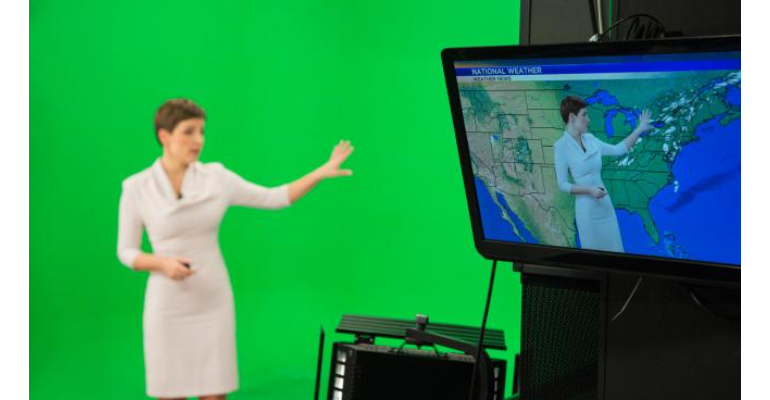
    A weather forecast


    قبل از گوش کردن به فایل صوتی، تمرین زیر را انجام دهید و لغات آن را یاد بگیرید:

    [su_box style=”glass-light” title=”تمرین های آمادگی”]

    [/su_box]

    حالا به فایل صوتی زیر گوش دهید و تمرینات زیر را انجام دهید:

    [sc_embed_player_template1 fileurl=”/Englishaudios/Listening/B2/A_weather_forecast.mp3″ ]

    [su_box style=”glass-green” title=”تمرین شماره ۱”]

    [/su_box]

    [su_box style=”glass-green” title=”تمرین های شماره ۲”]

    [/su_box]

    [su_box style=”glass-gold” title=”متن فایل صوتی”]

    Transcript

    Hello and good morning! Well, we’re off to a good start in the south this week, as most of the rain from the weekend has disappeared – just a few patches of cloud and maybe some showers here on the east coast. They’ll all clear up by lunchtime, though. Over the next day or so, London and the area around Kent can expect a couple of isolated showers, but mostly dry through until Thursday.

    It’s not such good news for the north-west this week, I’m afraid: more wet weather, and not a lot of sunshine. Some of today’s showers will be heavy – and even thundery in Manchester and across the Pennines. Leeds will escape the thunderstorms, with drizzle and light rain only throughout the rest of the day and tonight.

    Elsewhere it becomes dry today, but with some foggy patches towards Wales. In England, tomorrow morning will see a dry, bright start in most places, with high temperatures throughout the week. We might see one or two thunderstorms appearing as the week goes on, with temperatures everywhere at 29 to 30 degrees.

    By the weekend, unfortunately, the dry weather will make way for mostly cloudy skies and rain. The rain will move from Scotland, down towards the north and reach the south coast by Saturday afternoon. Temperatures, at least, will stay mostly warm at around 21 degrees for the weekend. It might feel like a nice change from the high twenties and early thirties we’ll see in the week. That’s all from me until tomorrow. Enjoy the mini-heatwave while you can!

    [/su_box]

    [su_note style=”3″ type=”danger” icon=”yes”]حالا شما برایمان به انگلیسی بگویید:

    What kind of weather do you like best?

    [/su_note]

  • تمرین شنیداری (listening) زبان متوسط ۱ فایل ۵

    تمرین شنیداری (listening) زبان متوسط ۱ فایل ۵

    An interview about listening skills


    قبل از گوش کردن به فایل صوتی، تمرین زیر را انجام دهید و لغات آن را یاد بگیرید:

    [su_box style=”glass-light” title=”تمرین های آمادگی”]

    [/su_box]

    حالا به فایل صوتی زیر گوش دهید و تمرینات زیر را انجام دهید:

    [sc_embed_player_template1 fileurl=”/Englishaudios/Listening/B1/An_interview_about_listening_skills.mp3″ ]

    [su_box style=”glass-green” title=”تمرین شماره ۱”]

    [/su_box]

    [su_box style=”glass-green” title=”تمرین های شماره ۲”]

    [/su_box]

    [su_box style=”glass-gold” title=”متن فایل صوتی”]

    Transcript

    Presenter: So, today’s expert teacher is Gabriella, a university English teacher from Leeds.

    Gabriella, hi and thanks for joining us today.

    Gabriella: Thanks for having me!

    Presenter: So, I have to confess today’s topic is something I am really bad at: listening. Most people say speaking is the most stressful part of learning a new language but, for me, with my B1 German, speaking isn’t so bad. At least I’m in control of it. But listening … woah … people speak so fast and it’s like my brain just shuts down. Am I just really strange and bad at listening? Tell me, honestly, I can take it.

    Gabriella: No, you’re not strange. In fact, it’s really common. You know, in exams most people do pretty well in speaking compared with listening. Of course, exams are a different situation from real life because in an exam you can’t ask for something to be repeated or explained.

    You usually have just one or maybe two opportunities to listen to the dialogue and then it’s gone.

    Presenter: Right, but in real life I feel stupid always saying, ‘Sorry, can you repeat that, please?’, especially if I still don’t understand even when they repeat it. And people out there listening, I hope you don’t do this – quite often the person just repeats what they said equally as fast and I’m still lost!

    Gabriella: They do, don’t they? In real life, you’ve got two strategies. One is to pretend to understand and get out of the conversation as fast as you can.

    Presenter: Yep, sounds familiar!

    Gabriella: But, obviously that’s not going to help if it’s a conversation with high stakes. It might have important consequences. I mean, if you’re just chatting with a stranger at the bus stop, it doesn’t matter. But imagine you’re at a government office or a bank, trying to find out what paperwork you need to get your ID or open a bank account. What can you do then?

    Presenter: I hope you’ve got the answer, Gabriella, because I’m coming out in a cold sweat just thinking about either of those situations!

    Gabriella: The other strategy is to summarise what they said.

    Presenter: But how can you do that if you didn’t understand what they said?

    Gabriella: Ah, well, you only start the summary, so you might say, in German in your case, ‘OK, so the first thing I have to do is …?’ and make it a question. Or, for example, ‘And which office is that again?’ Break it down into smaller questions and the other person will naturally start answering them. That way you’re controlling the conversation a bit more.

    Presenter: I get you …

    [/su_box]

    [su_note style=”3″ type=”danger” icon=”yes”]حالا شما برایمان به انگلیسی بگویید:

    What do you do to help with listening?

    [/su_note]